

.svg)
Go back
From escalating GNSS spoofing incidents to the quantum threat on the horizon, more than 400 experts from 25 nations confronted a stark reality at CYSAT Asia 2026 in Singapore.
Read THE SIGN’s overview of the key takeaways – and what they mean for the nearest future of orbital resilience.
February 12, 2026
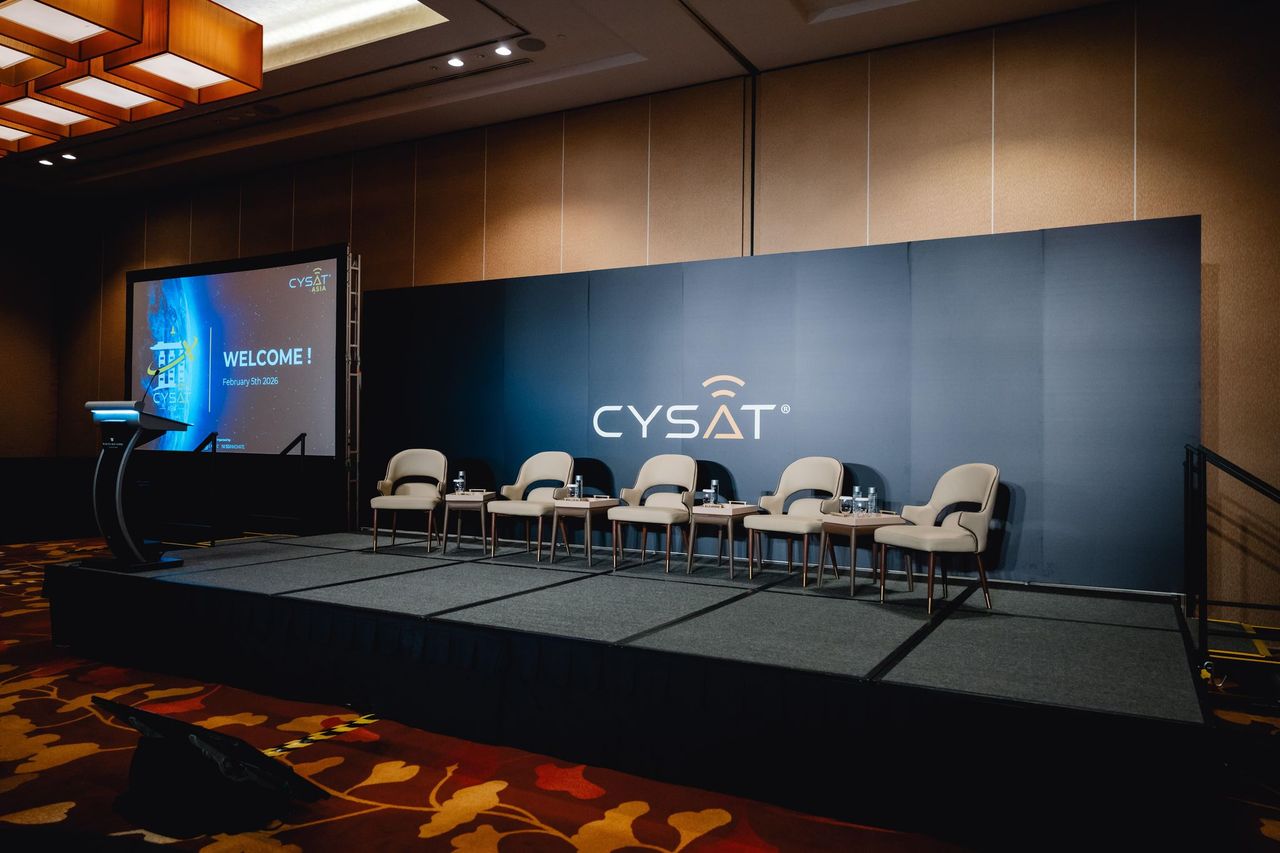
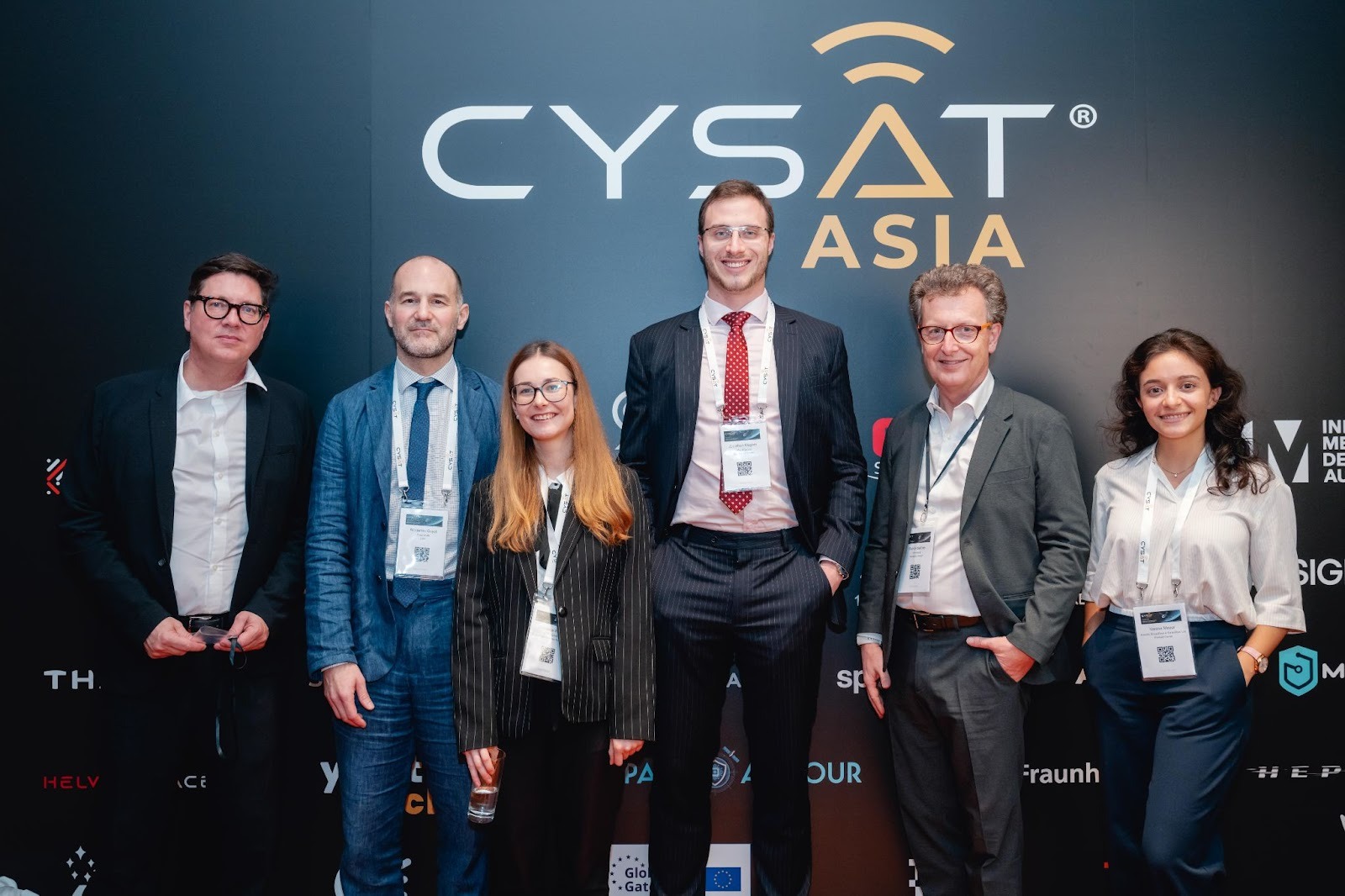
The CYSAT Asia 2026 conference wrapped up in Singapore, bringing together more than 400 experts from 25 countries to address one pressing question: how do we keep the world’s space infrastructure secure?
The event featured speakers from organizations including Airbus, the European Commission, Fraunhofer, the Institute of Electrical and Electronics Engineers (IEEE), IonQ, IQT, and Thales, alongside Singapore-based deep-tech startups such as SpeQtral and MicroSec.
Strong public-sector engagement was evident, with representatives from Singapore’s Infocomm Media Development Authority, the CyberSG R&D Programme Office, and the CyberSG Talent, Innovation and Growth Collaboration Centre in attendance.
The verdict from the summit was clear: space has become a “ticking cyber bomb” of legacy satellite vulnerabilities, demanding immediate and ecosystem-wide action.
David Koh, Singapore’s Commissioner of Cybersecurity, emphasized that space-based threats no longer stop at orbit.
From Global Navigation Satellite System (GNSS) spoofing – disrupting thousands of commercial flights each year – to the looming impact of quantum computing, the spillover effects of a cyberattack on space assets could paralyze national economies.
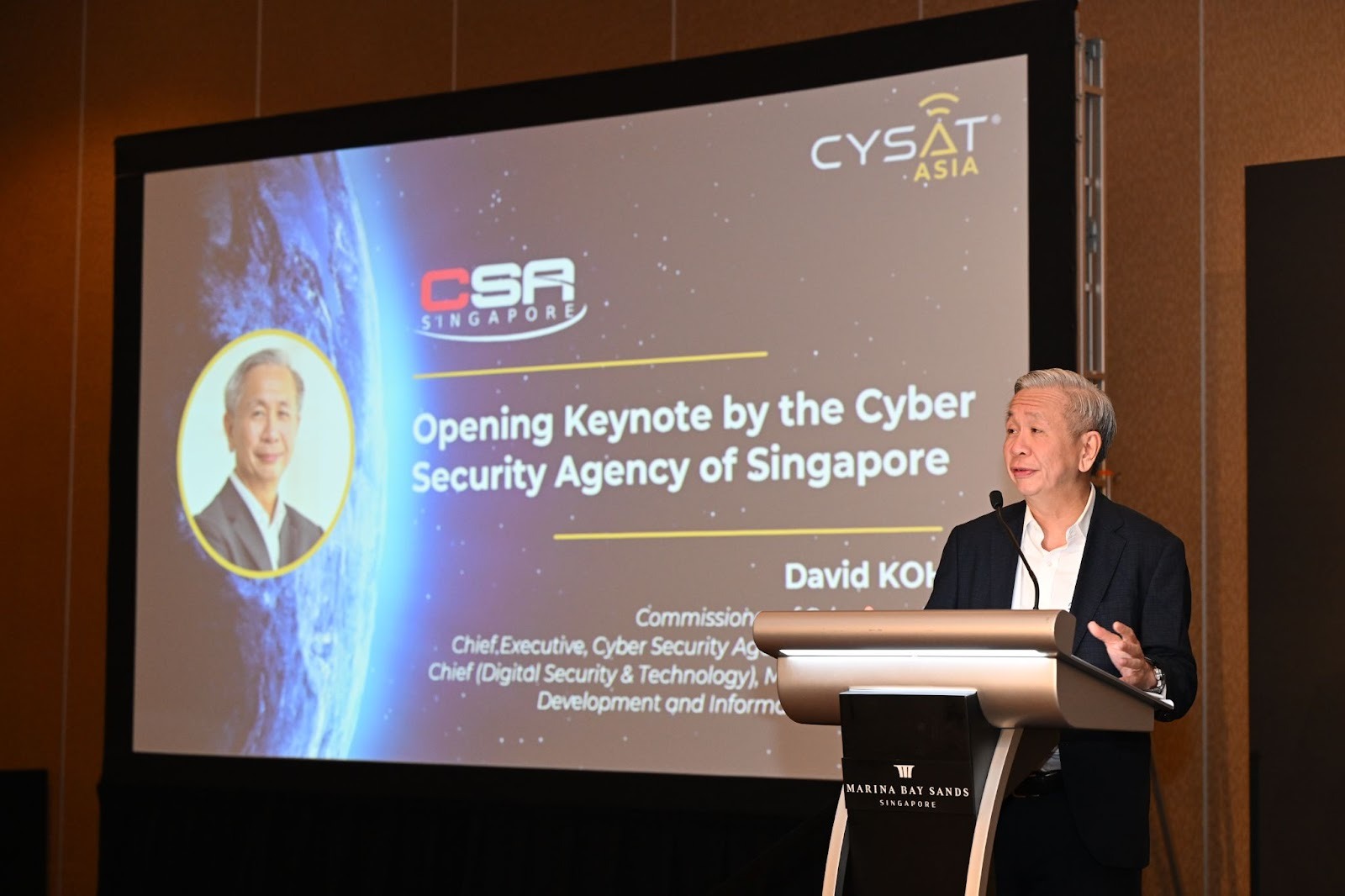
A recurring theme throughout technical keynotes and CYSAT Academy workshops was the urgent need for a new class of professional.
The industry does not simply need more talent – it needs hybrid expertise. Speakers described the ideal profile as a “Swiss Army Knife”: professionals fluent in both traditional IT systems and the complex mechanics of spacecraft.
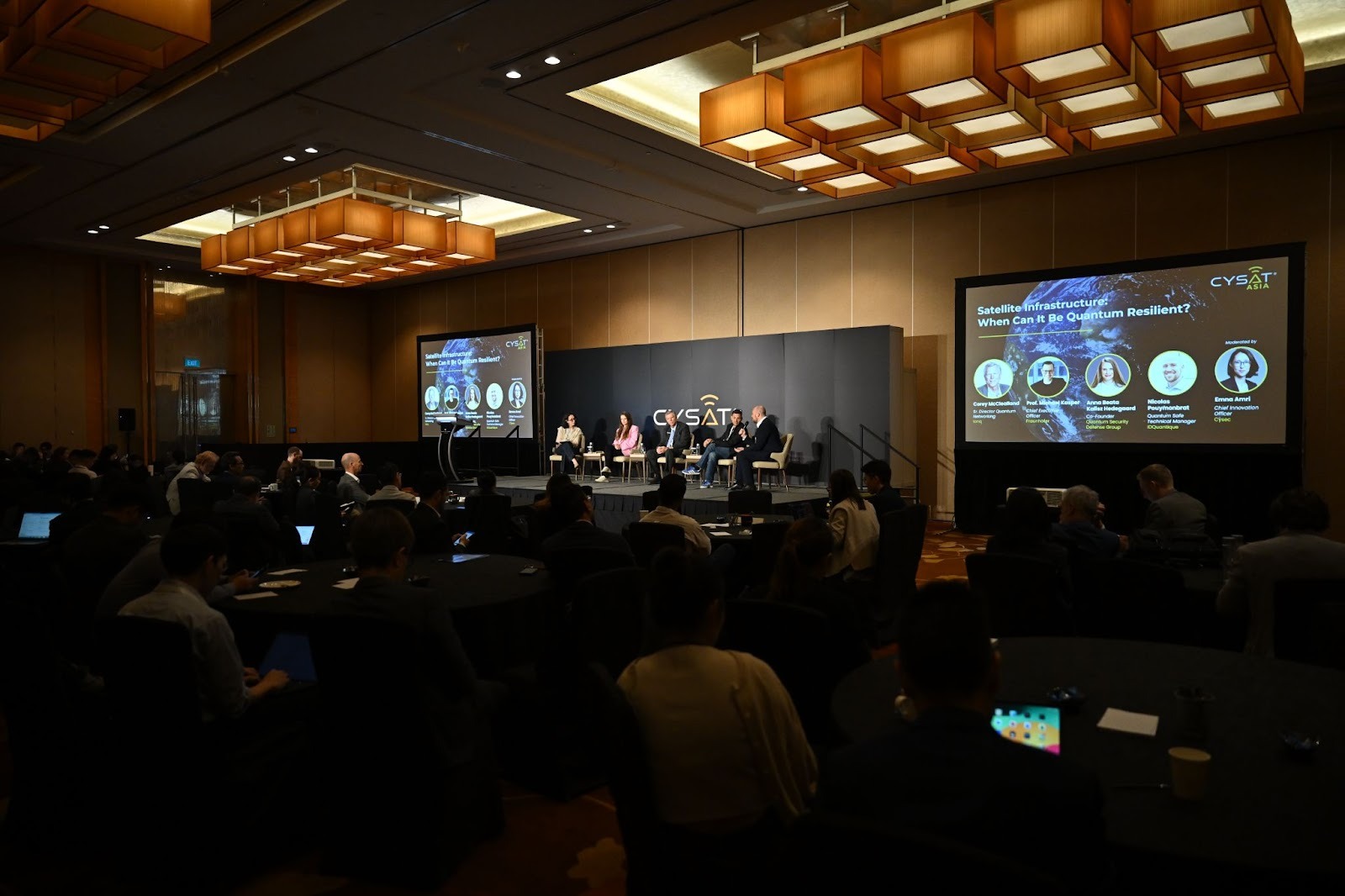
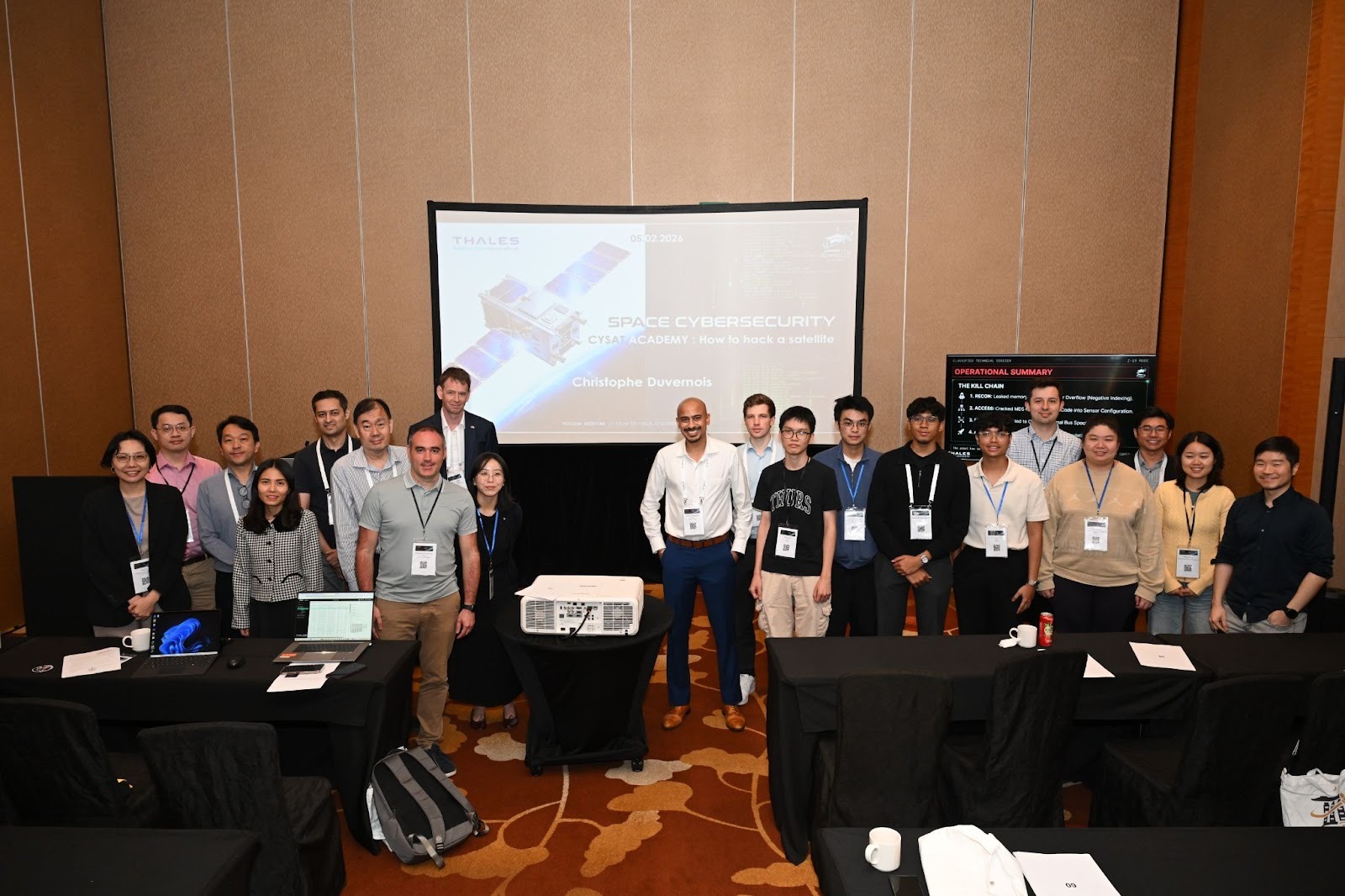
During live demonstrations, companies such as Thales and HelvetiSpace showed participants how satellites can be compromised, reinforcing the message that security must be managed across the entire lifecycle – from day one of design and launch to operations and decommissioning.
At the summit, CYSEC CEO Patrick Trinkler issued a clear call to action: securing space assets requires breaking down silos between cryptographers, mission operators, manufacturers, and policymakers.
Looking ahead to CYSAT 2026 in Paris on May 20-21, the global space cybersecurity community appears to have crossed an important threshold.
The conversation is shifting from awareness to execution with the unmistakable mission: to move beyond discussing threats and start building the shield that protects Earth by protecting the sky.
In the broader context of the ongoing four-year-long war in Europe – the largest on the continent since World War II – and the recent Munich Security Conference, where European leaders emphasized Europe’s strategic autonomy and the resilience of critical infrastructure, orbital cybersecurity is increasingly recognized as a pillar of a pan-European defense agenda. Now it's time for an action.
À plus à Paris.
Author: Tatiana Skydan, co-founder at THE SIGN.MEDIA – Official Media Partner of CYSAT
Photo credit: CYSAT


